Blood in Urine: Should You Be Concerned?
Read summarized version with :
Seeing blood in urine (hematuria) can be frightening. It may appear as pink, red, or
brownish urine, or sometimes blood is only visible under a microscope. While not always serious, blood in
urine should never be ignored because it can be a sign of an underlying medical problem.
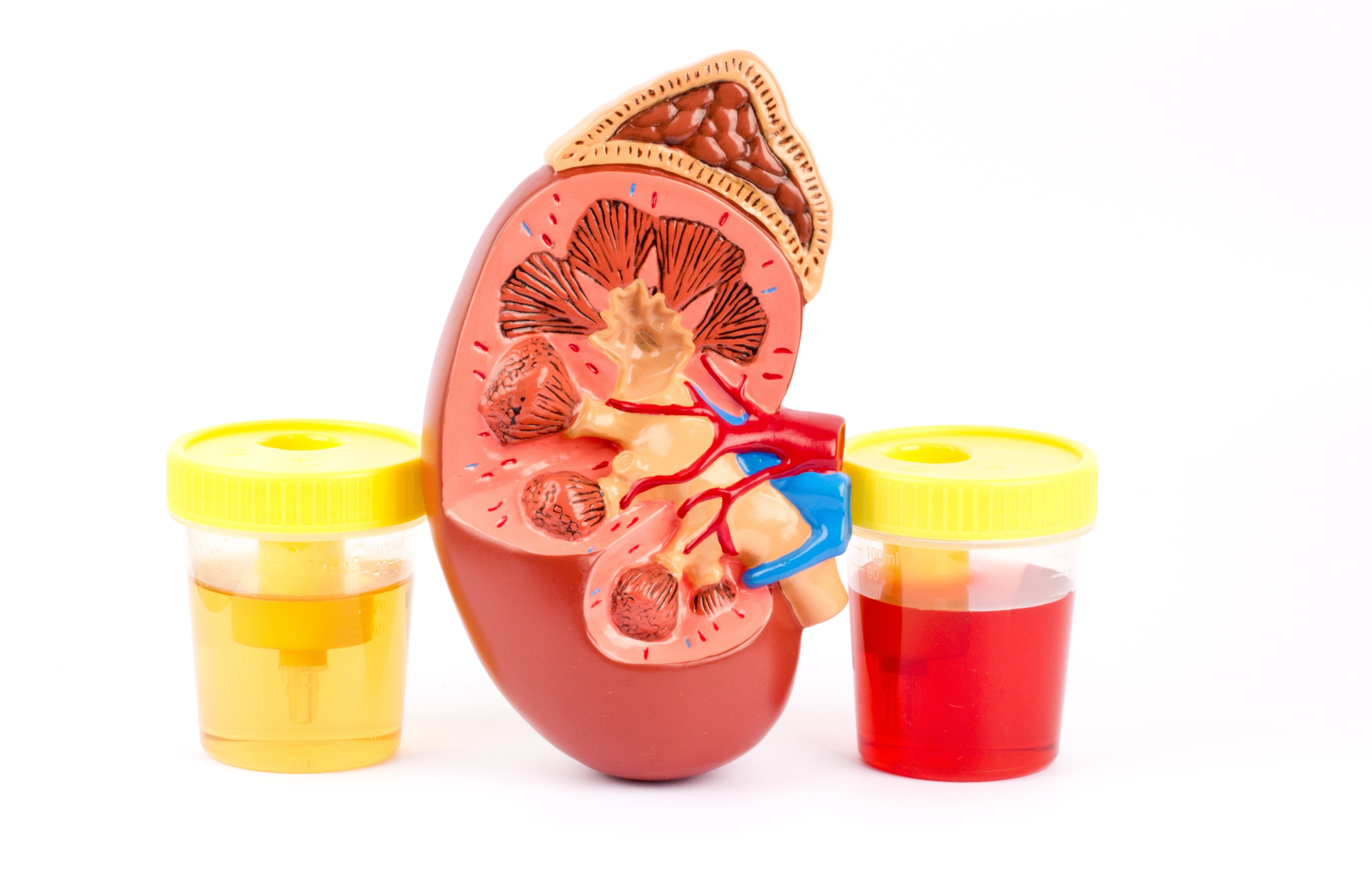
Common Causes of Blood in Urine
- 1. Urinary Tract Infection (UTI)
Infections in the bladder or kidneys can cause irritation and bleeding.
- 2. Kidney Stones
Hard deposits in the kidneys or ureter can scratch urinary tissues and cause visible blood.
- 3. Enlarged Prostate (in men)
An enlarged prostate can press on the urethra and lead to bleeding.
- 4. Kidney Diseases
Conditions like glomerulonephritis or other kidney disorders may cause microscopic or visible
hematuria.
- 5. Vigorous Exercise
Rare, but intense exercise can cause temporary blood in urine.
- 6. Certain Medications
Blood thinners or painkillers may lead to hematuria.
- 7. Cancer (rare but possible)
Bladder, kidney, or prostate cancer may cause blood in urine, especially in older adults or smokers.
When Should You Seek Medical Help?
- Persistent or repeated blood in urine
- Pain during urination
- Back or abdominal pain
- Fever, fatigue, or weight loss
- Blood clots in urine
Treatment Options
- Antibiotics for infection
- Treatment for kidney stones (RIRS, Lithotripsy, etc.)
- Medications for enlarged prostate
- Treatment for kidney disease
- Cancer-specific therapies (if applicable)
Conclusion
Blood in urine is not normal and should be evaluated promptly. Early medical
attention leads to better outcomes and peace of mind. Consult a urologist if you notice any signs of
hematuria.


