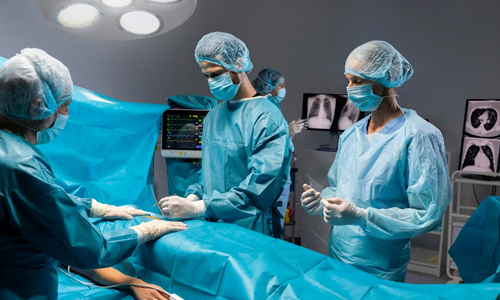
Minimally invasive surgery, also called laparoscopic or keyhole surgery, uses a tiny camera with magnification and fine surgical instruments to perform operations through very small openings instead of large cuts.
Why this matters to patients:Laparoscopic surgery is commonly used to treat conditions involving the kidney, adrenal gland, ureter, bladder, and prostate.
In simple terms, it allows surgeons to do precise, complex surgery while putting the body through far less stress. The result is effective treatment with quicker healing, which is exactly the point.

Paediatric urology focuses on diagnosing and treating problems of the urinary and genital system in children, from newborns to adolescents. Children aren’t just small adults, and their treatment needs to respect that.
We provide expert care for the full range of paediatric urological conditions, especially structural and functional issues involving the kidneys, ureters, bladder, and genital organs.
Common conditions we treat include:Early diagnosis and timely treatment can prevent long-term kidney damage and support normal growth and development. In short, we focus on fixing problems early, gently, and with the future in mind.
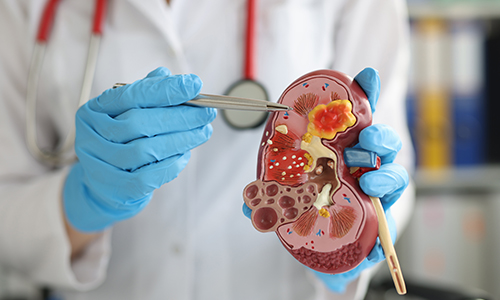
Urological cancers affect organs of the urinary and male reproductive system, including the kidney, adrenal gland, ureter, bladder, prostate, penis, and testis.
The most important factor in treatment success is early detection. When caught early, many urological cancers are highly treatable, with better recovery and long-term outcomes.
Cancer care isn’t just about diagnosis. Timely intervention and surgical expertise play a critical role in preserving function and quality of life.
With a multidisciplinary uro-oncology team covering both medical and surgical care, we focus on curative treatment whenever possible, while ensuring patients continue to live well during and after treatment.
In cancer care, timing matters. So does experience.
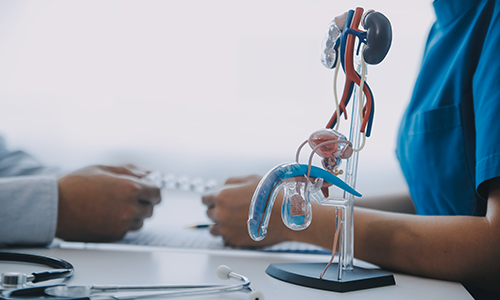
Andrology is a specialized branch of urology that focuses on men’s sexual health and male fertility. It deals with problems that are common, treatable, and far more medical than people like to admit.
Common conditions treated include:
These issues can affect confidence, relationships, and family planning, but they are medical conditions, not personal failures. With proper evaluation and treatment, many men see significant improvement in sexual health and fertility.

A kidney stone is a hard lump made from minerals and salts that stick together when your urine gets too concentrated. Think of it as leftover residue your kidneys couldn’t store. Stones can be as small as sand or big enough to block urine flow and cause serious pain
Types of Kidney Stones
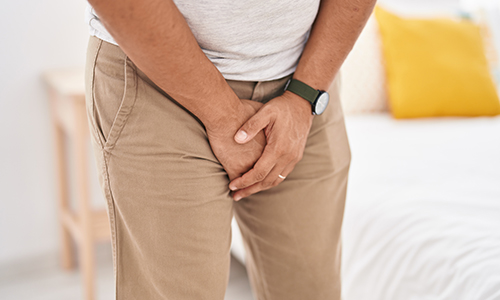
The prostate tends to demand attention as men age. Taking care of it
early helps reduce problems like enlarged prostate (BPH), prostatitis, and prostate
cancer
Hydration keeps urine diluted and reduces irritation. If night-time urination is a
problem, ease off fluids in the evening.
Regular exercise helps control hormones, weight, and inflammation.
Maintain a Healthy WeightExcess body fat is linked to higher prostate risk.
Limit Caffeine & AlcoholBoth can irritate the bladder and worsen urinary symptoms.
Common Prostate ProblemsA non-cancerous enlargement common with age.
SymptomsDepends on severity and may include lifestyle changes, medications, or procedures to improve urine flow.

Prostate cancer is common, especially with age. The good news is that when caught early, it’s often very treatable
Who Is at RiskDoctors usually recommend screening based on age, symptoms, and personal risk.
When to See a DoctorProstate cancer often grows slowly and may not show symptoms early. Regular check-ups can catch problems before they become serious.
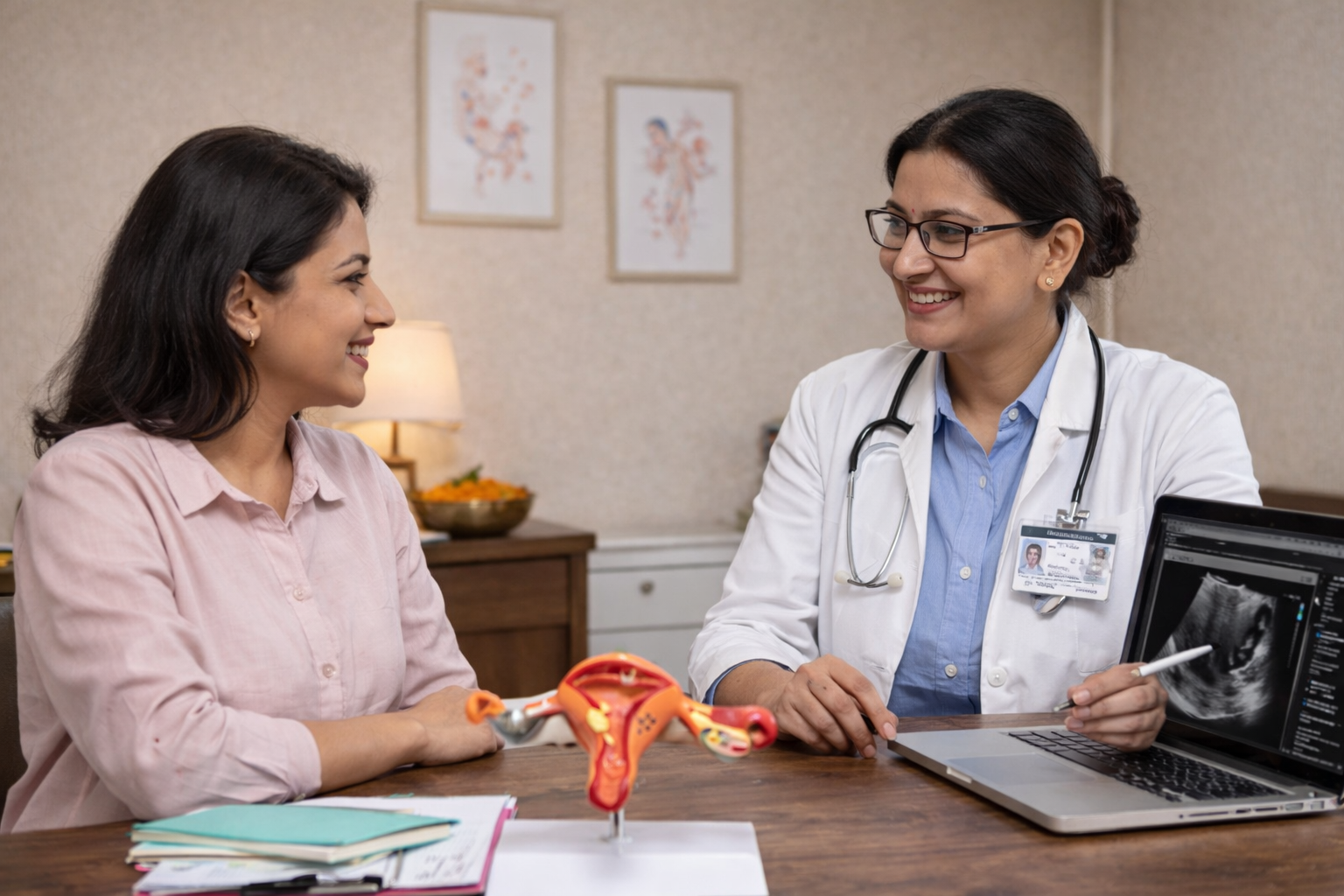
Female urology focuses on urinary health and pelvic floor disorders in women. Because women have a shorter urethra, they’re more prone to infections and bladder issues. Common doesn’t mean normal, and it definitely doesn’t mean untreatable.
Common Female Urological Conditions
1. Urinary Tract Infections (UTIs)
Symptoms: Burning while urinating, frequent urges,
pelvic discomfort, cloudy or bloody urine
Causes: Bacteria entering the urinary tract,
often due to sexual activity, hygiene issues, or hormonal changes
2. Overactive Bladder (OAB) & Urinary Incontinence
Symptoms: Sudden urge to urinate,
frequent trips to the bathroom, urine leakage
Causes: Weak pelvic muscles (childbirth,
aging), nerve problems, certain medicines
3. Interstitial Cystitis (Painful Bladder Syndrome)
Symptoms: Long-term pelvic pain,
bladder pressure, frequent urination
Causes: Not fully understood; may involve bladder
lining or nerve issues
4. Pelvic Organ Prolapse
Symptoms: Pelvic heaviness, urine leakage, difficulty emptying
the bladder
Causes: Weakened pelvic muscles from pregnancy, menopause, obesity, or
aging
5. Kidney Stones
Symptoms: Severe back or side pain, blood in urine, nausea
Causes: Dehydration, high salt or oxalate intake, genetic
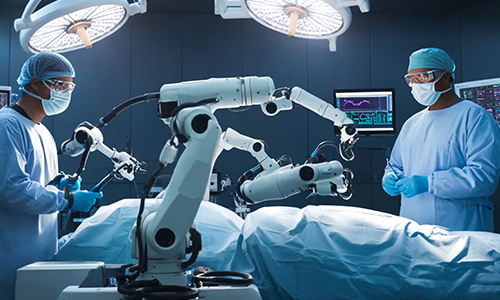
Robotic-assisted surgery is revolutionizing urology by providing greater precision, less invasiveness, and faster recovery for various urological conditions.
Reconstructive urology focuses on repairing and rebuilding the urinary tract and male reproductive organs when they’ve been damaged by disease, injury, or previous surgery
At Athaayu Uro Care, we treat conditions like urethral strictures, bladder reconstruction needs, and post-surgical or injury-related complications using advanced surgical techniques.
The goal isn’t just correction. It’s restoring normal urination, preserving sexual function, and improving daily comfort. Every treatment plan is personalized, combining precision surgery with long-term function in mind
In simple terms, reconstructive urology helps patients get back to living comfortably, confidently, and without constant reminders that something isn’t right.

Endourology is a modern branch of urology that treats urinary problems using minimally invasive techniques. Instead of large cuts, doctors use tiny cameras and precision instruments passed through natural pathways or very small openings.
At Athaayu Uro Care, our specialists perform procedures like kidney stone removal, prostate treatments, and relief of urinary blockages using advanced endoscopic methods.
What this means for patients:Endourology allows accurate, targeted treatment with minimal risk. In simple terms, it fixes the problem without putting your body through unnecessary trauma. Every treatment is chosen carefully, based on what works best for your condition.

Urodynamics is a test that checks how well the bladder and urethra store urine and release it. In short, it shows whether your bladder is doing its job properly.
At Athaayu Uro Care, we perform detailed urodynamic tests for both adults and children to diagnose problems like urine leakage, frequent urination, and difficulty emptying the bladder.
For children, these tests are especially useful in identifying bladder issues related to nerve or muscle control. Our specialists make sure the procedure is safe, comfortable, and child-friendly, because stress helps no one.
Accurate testing leads to the right treatment plan. When you understand the problem clearly, fixing bladder control becomes a lot more achievable.
